

99.58% collection efficiency · Çankırı Saltı ESP
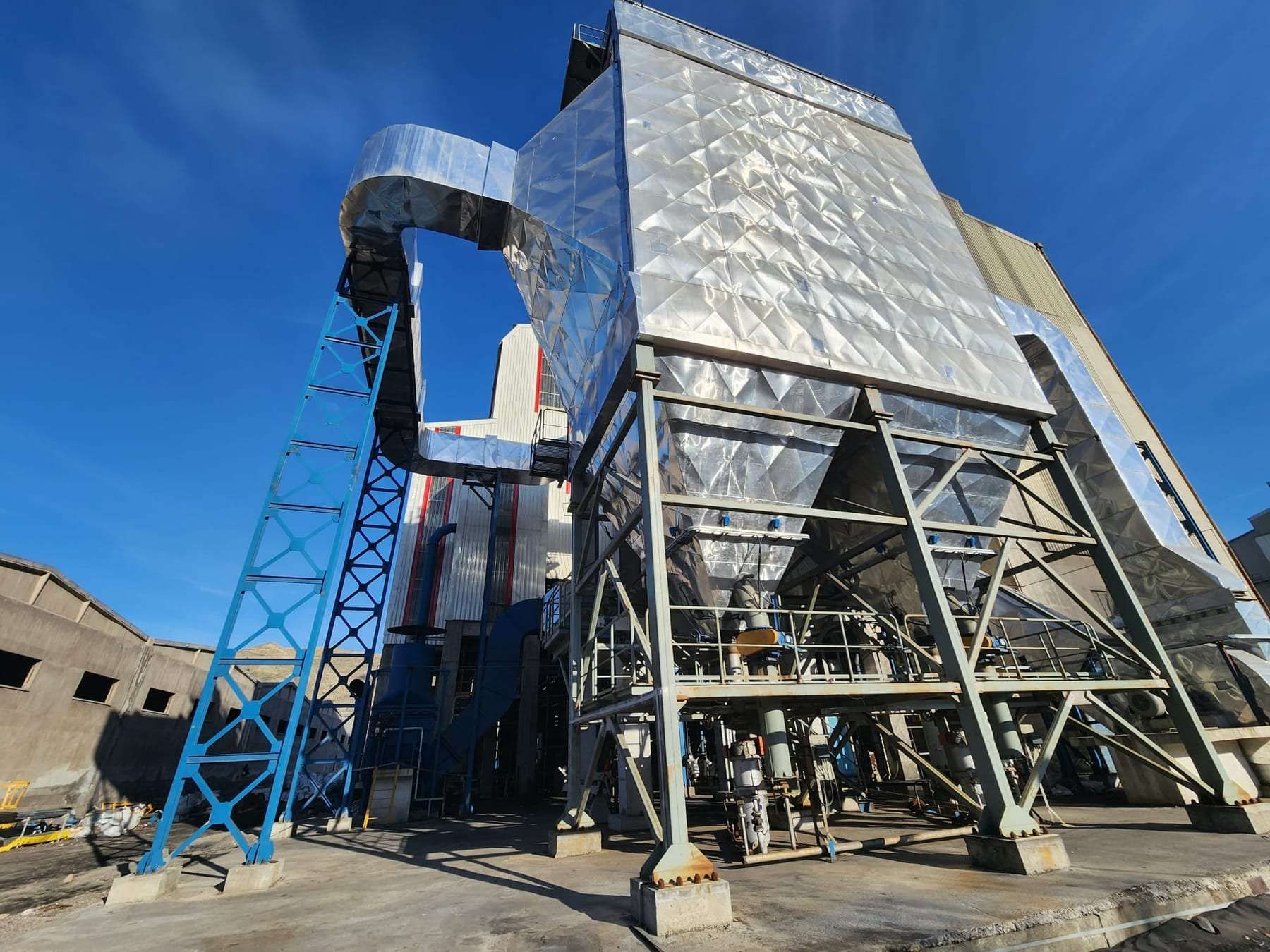
An electrostatic precipitator (ESP) is dust collection equipment that charges the dust particles in the flue gas with high voltage and holds them on collecting plates. HECON’s company profile records ESP work at three different plants: one rehabilitation, one erection and one EPC scope.
Oyka Kağıt: rehabilitation with casing modules
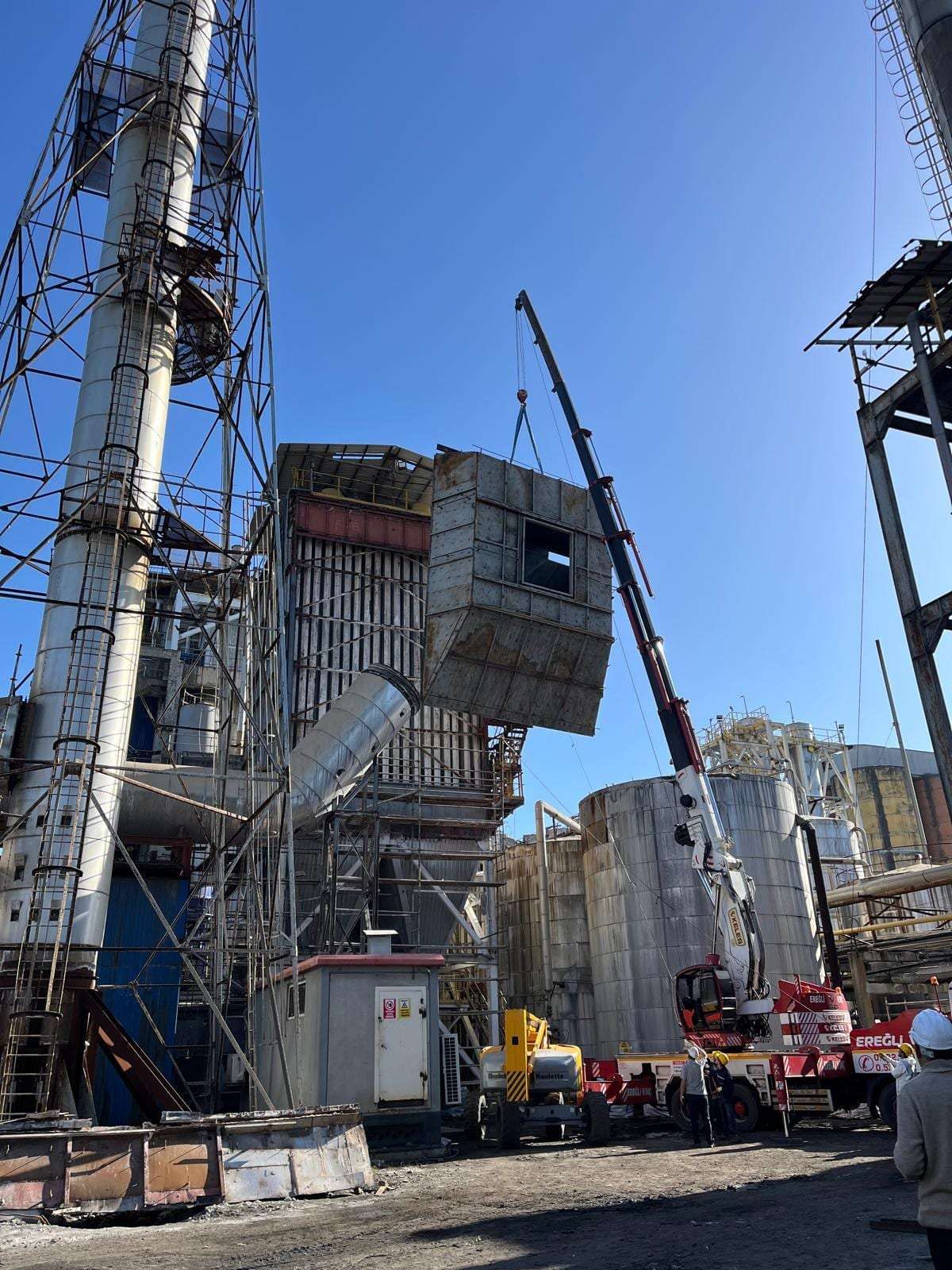
Client Oyka Kağıt, plant paper mill, equipment electrostatic precipitator. Scope of work: rehabilitation works on the electrostatic precipitator of the paper mill, including replacement of ESP casing modules.
Çan 2: overhaul first, then erection
The Çan 2 Power Plant is a 1 × 330 MW second-hand plant. Employer ODAŞ Elektrik, main contractor EFOR Endüstriyel, period April 2017 – August 2018. The rehabilitation and erection scope included electrostatic precipitator (ESP) installation; each component in the scope was overhauled first, then erected.
Çankırı Saltı: ESP systems within an EPC scope
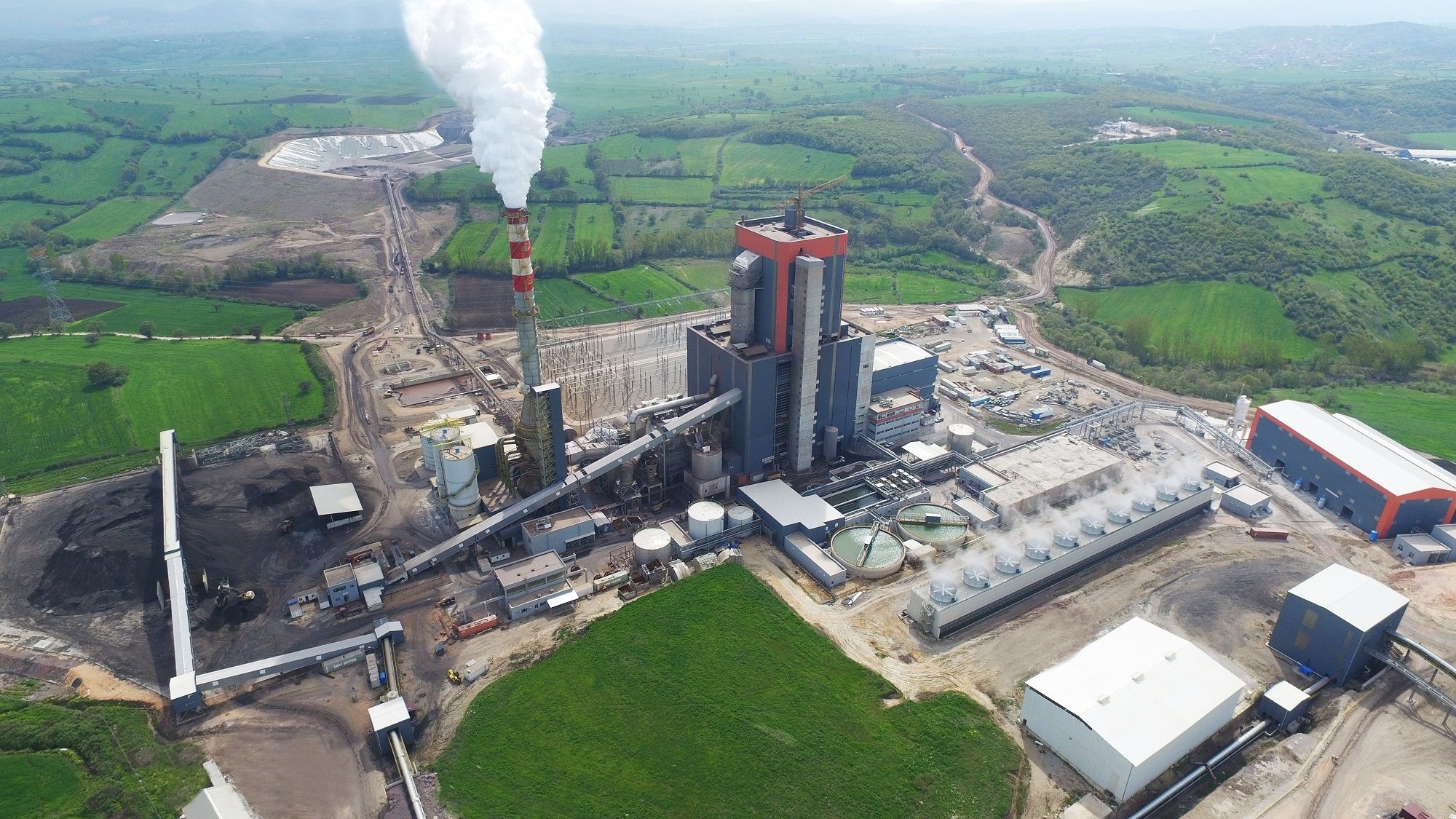
At the Çankırı Saltı Salt Factory Thermal Power Plant (owner Medmar Tuz, EPC, August 2021 – February 2023), ESP filtration systems were part of the scope of work. Technical data:
- Gas flow: 96,269 m³/h
- Temperature: 160 °C
- Ash type: fly ash
- Collection area: 1,574.4 m²
- Output voltage: 95 kV DC peak
- Collection efficiency: 99.58%
Collection efficiency shows how much of the dust entering the precipitator is retained; 99.58% means that roughly 996 of every 1,000 units of incoming dust are captured.
On site: ESP, ducts and piping.
Related projects
-
-
-
Çankırı Saltı
Salt Factory Thermal Power Plant · EPC · Aug 2021 – Feb 2023
View project: Çankırı Saltı
Frequently asked questions
- At which plants has HECON carried out ESP work?
- ESP rehabilitation at Oyka Kağıt's paper mill (including replacement of ESP casing modules), electrostatic precipitator installation at the Çan 2 Power Plant, and ESP systems within the EPC scope at the Çankırı Saltı Thermal Power Plant.
- What is an ESP casing module replacement?
- The renewal of the casing sections that form the outer shell of the precipitator and carry its internals; a corroded casing leads to gas leakage and loss of efficiency.
- What are the design values of the Çankırı Saltı ESP?
- Gas flow 96,269 m³/h, temperature 160 °C, ash type fly ash, collection area 1,574.4 m², output voltage 95 kV DC peak, collection efficiency 99.58%.
Source: HECON company profile · pp.8, 10, 12, 21, 27 · All articles